
- Home
- /
- Tolerances of Vulcanized O-rings
Tolerances of Vulcanized O-rings
Cord:
The most important thing to realize about cord is that it is extruded, not molded. These 2 are very different processes which is why they have different tolerances.
Different manufactures have different abilities and therefore have different cord tolerances.
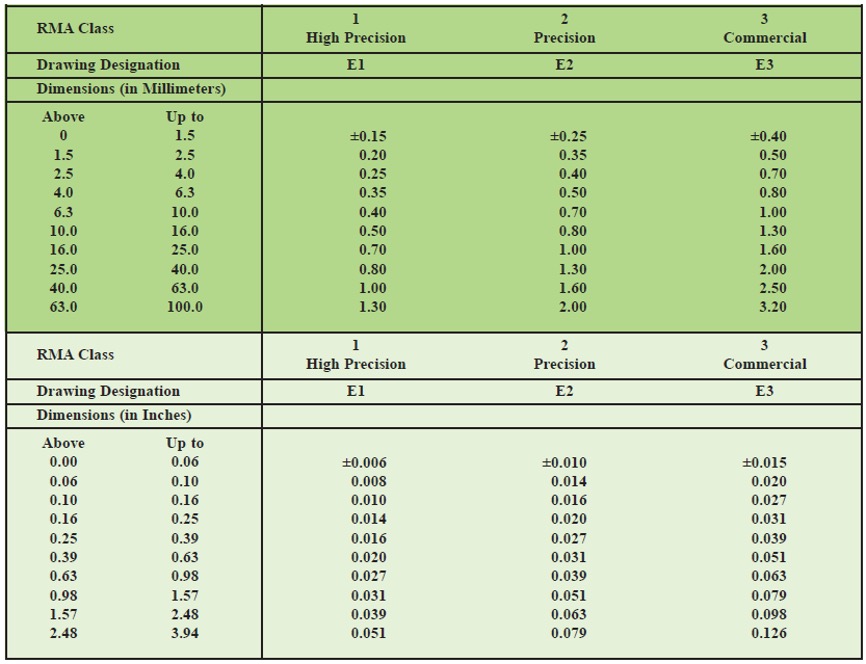
RMA specifications cover everything required to manufacture rubber goods such as dimensional tolerance, finish, flash, bonding, load deflection, and much more.
Most extruders use RMA Class 1 High precision E2 for their cord, some use E1 while others call their “Commercial” which is E3
Molded o-rings have much tighter tolerances than vulcanized o-rings.
Vulcanizing:
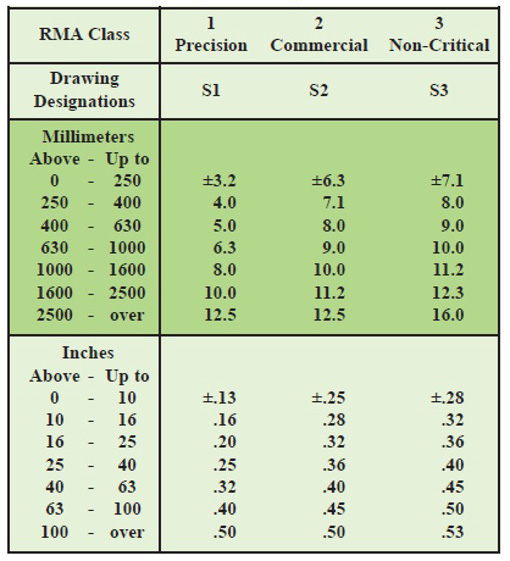
Cor Manufacturing cuts our cord per RMA Class 1 Precision S1
Eg. If an O-ring has a 15” inside diameter and cross-section of .250”, then the cut length is 3.992 feet (47.9”)
The tolerance for this will be +/- .32”
If you prefer metric, it will be 1216.9 mm which has a tolerance of +/-8 mm
Sponge:
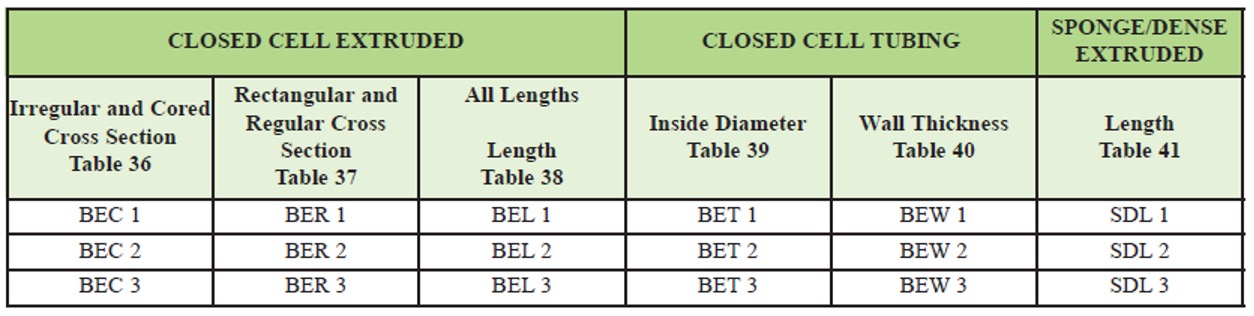
Sponge has its own category, as it behaves very differently from solid rubber materials. Most of our vendors follow BEC 3 tolerances.
Open-cell and closed-cell extrusions also follow different standards.
We recommend you get a full copy of the RMA book to fully understand the subject. Please reach out to the COR Manufacturing team for additional details or information.